Last updated
First principles thinking explained simply, with a way to try it today

You keep hearing the phrase, and nobody says what to do with it
Someone at work says "let's go back to first principles." Everyone nods. Then the meeting goes on exactly as before.
You look it up. You find a rocket story, a quote from Aristotle and a lot of slides. You still could not use it on the quote from your builder.
That is fair. Most of what is written about it is a story, not a method. Here is the plain version.

What first principles means in one sentence
Take a problem apart into the things you know are true. Then build back up from those parts and see where your answer differs from the usual one.
The best-known example comes from a 2012 Wired interview. Elon Musk said rockets cost too much. So he asked what a rocket is made of and looked up those raw material prices. By his account, they came to about 2 percent of the usual price.
If that is even close, the high price is not a law of nature. It is a habit. We like that the book adds the caution most retellings drop. The 2 percent is Musk describing his own thinking. Nobody has checked it. The shape of the story is what helps, not the number.

Why the usual answer is so easy to accept
Most of the time you reason by analogy. This is like that, so it will work the same way. That is usually right. It is fast, and it carries what everyone before you learned.
But it hides a gap. In a 2002 study, people rated how well they understood how everyday things work. Then they tried to explain them step by step. After trying, they rated themselves lower. We feel we understand things in far more detail than we do.
That gap is where first principles helps. When you force yourself to list what a price is paying for, you find out how much of what you "knew" was borrowed.

Try it on one price that bothers you
You need about 20 minutes and a notebook. These are the steps from the book's card.
- Write the problem as one plain sentence. "A kitchen remodel costs $40,000."
- Write the usual answer and where it comes from. A quote? A rule? Something everyone knows?
- List what the thing is actually made of. Parts, steps, materials, hours. Aim for five to ten.
- Mark each part T or C. T is true: physics, law or a number you checked yourself. C is convention: habit, a supplier's default, how it is done.
- For each C, ask what would happen if it were done differently or skipped.
- Rebuild using only the T parts and the C parts you still believe in. Write the gap between that and the usual answer.
Most inflated prices and slow processes hide in the C column. The point is not to throw out every C. Some habits exist for a good reason. The point is to see which ones you are paying for.
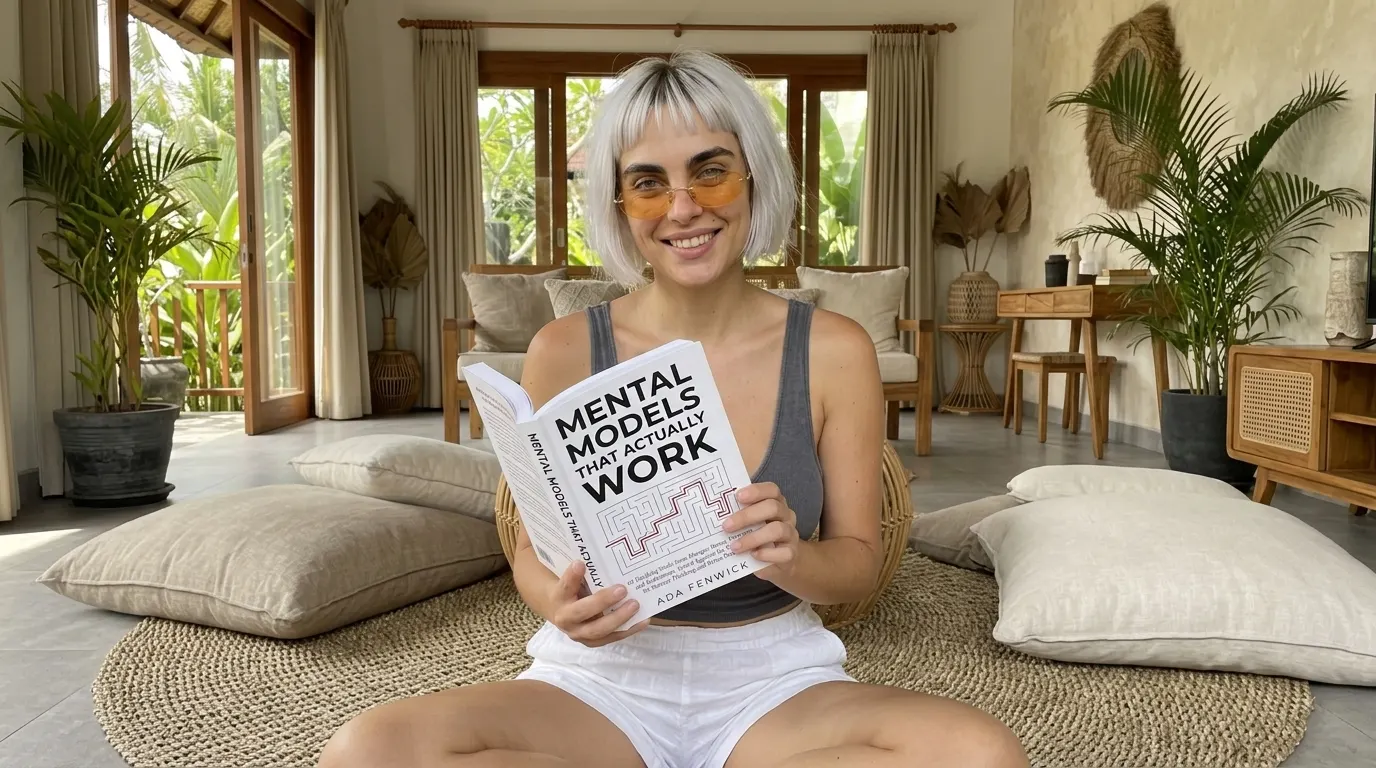
When the problem keeps coming back: ask why, with branches
Some guides fold "keep asking why" into first principles. The book treats it as a sister tool. First principles takes a thing apart into its pieces. The five whys digs down through causes.
It comes from Taiichi Ohno's book on the Toyota Production System, published in Japanese in 1978 and in English in 1988. The book's example is a small bakery where the morning bread keeps coming out late. Why? The second oven is not hot when the dough is ready. Why? Nobody turns it on until the first batch is in. Why? The opening checklist only mentions one oven. Why? It was written before the second oven was bought. Fix the checklist, and the late bread stops.
There is a known weak spot. In 2017, the patient-safety researcher Alan Card argued in BMJ Quality & Safety that the method pushes you toward one neat chain of causes, when real failures often have several. So the book's version adds branches:
- Write the problem as a fact, not a judgment. "The weekly report was late three times this month," not "Dana is disorganized."
- Ask why, and write the answer underneath. If you are guessing, add a question mark.
- Ask why about that answer. Keep going until you reach something you can change. Five is a rough guide, not a rule.
- At each level, ask: is there another reason too? If yes, draw a second branch and follow it down.
- Circle the deepest cause on each branch that you could change. Pick one to fix first.
- Write what you expect to happen once it is fixed, and when you will check.
Use it on a concrete failure you can see with your own eyes. When people, rules and timing all tangle together, let the branches grow.

Are first principles always true?
Not in the way the phrase sounds. For Aristotle, first principles were the basic starting truths of a science, like axioms. In the everyday method, a "T" part is only as true as your check of it. A price you looked up last year may have changed. That is why the book's card asks you to mark something T only if it is physics, law or a number you checked yourself.

The honest badge, and where the book goes next
This is the problem Mental Models That Actually Work was written for, and the book is frank about it. First principles carries a STORY ONLY badge. There is no trial that tests it as a way to decide. It rests on a well-told story and good sense.
First Principles: What Is Actually True Here? has the full card, the Aristotle source and a sister tool, Five Whys With Branches, for problems that keep coming back. That one digs down through causes instead of across parts.
The Map Is Not the Territory is the natural next read. Every time you take a problem apart, you are working from a picture of it in your head, and that picture can be wrong.
How to Use This Book explains the badges, so you know that STORY ONLY means "try it and see," not "useless."
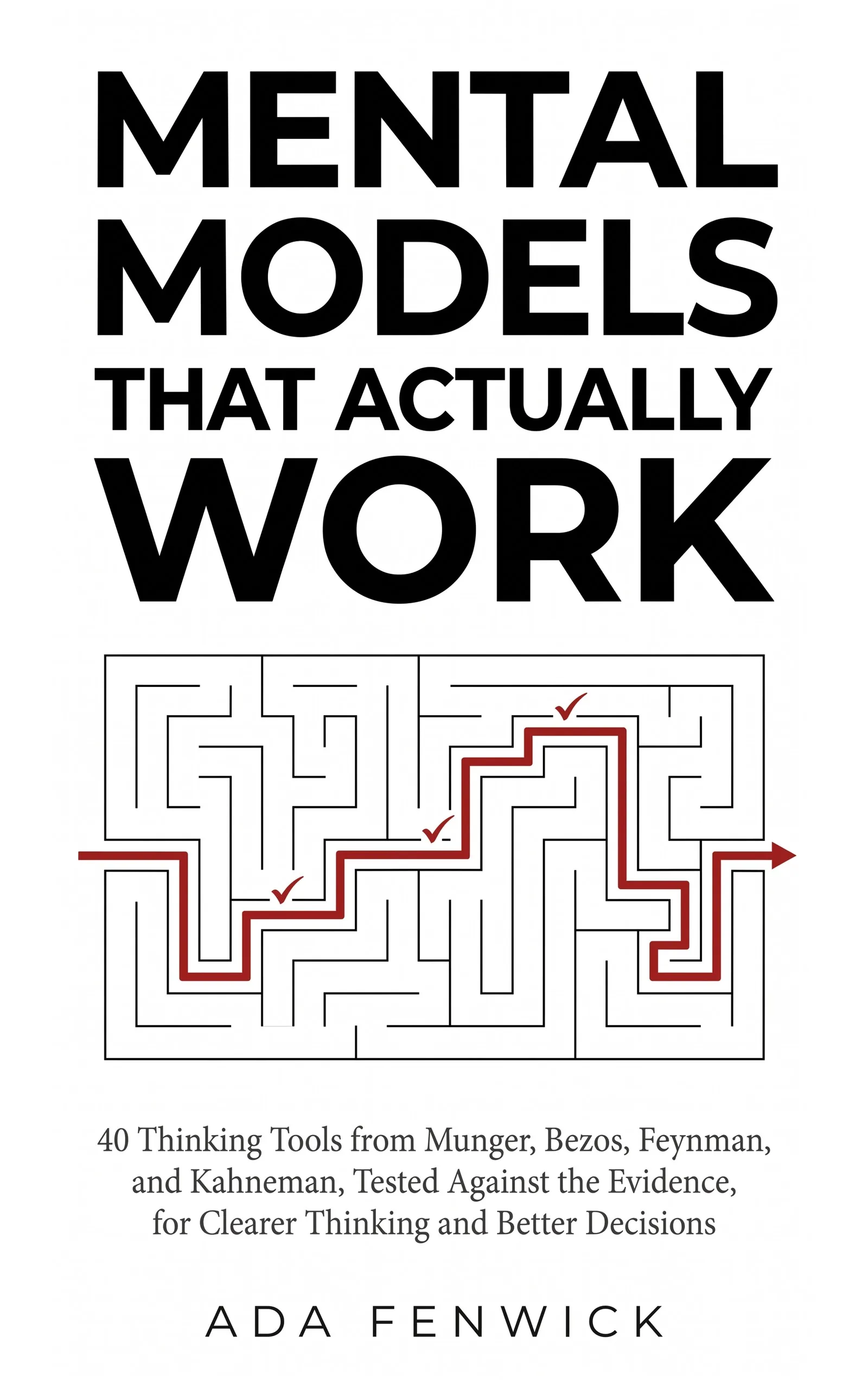
The book for this problem
Mental Models That Actually Work
40 Thinking Tools from Munger, Bezos, Feynman, and Kahneman, Tested Against the Evidence, for Clearer Thinking and Better Decisions. By Ada Fenwick, 288 pages.
Where this problem is in the book:
- First Principles: What Is Actually True Here?
- The Map Is Not the Territory
- How to Use This Book
Links go to Amazon. ToolGenX publishes this book under a pen name and earns from every sale. Amazon sets the price and handles delivery and returns.
Is Mental Models That Actually Work the right book for you?
Yes, if
- You keep hearing 'first principles' and want a plain version you can use
- A price, deadline or rule seems too big and you want to check why
- You want to know how much evidence stands behind the idea
Skip it if
- You want a philosophy course on Aristotle
- You want a method with lab proof behind it (this one has none yet)
Fair doubts before you buy
Isn't this just Elon Musk hype?
The famous example is his, from a 2012 interview, and the book is clear that his 2 percent figure was never checked by anyone. What is useful is the shape of the method, not the number. The book keeps the shape and drops the hype.
Why not just watch a video on it?
Many videos stop at the rocket story. The book gives you a six-step card you can run in 20 minutes, a sister tool for problems that keep coming back, and an honest note that the method has never been tested in a trial.
Get Mental Models That Actually Work
Forty thinking tools, each traced to its source and labeled by how well it holds up, so you know which to use and when.
Links go to Amazon. ToolGenX publishes this book under a pen name and earns from every sale. Amazon sets the price and handles delivery and returns.

Questions people ask about this
- What is first principles thinking in simple terms?
- It means asking what is actually true about a problem, then building your answer from only those facts. You set aside the parts that are just habit or 'how it is done.' Then you see how far your answer is from the usual one.
- What is an example of first principles thinking?
- In a 2012 Wired interview, Elon Musk said rockets seemed too costly, so he listed what they are made of and looked up those raw material prices. By his own account, the materials came to about 2 percent of the usual price. Nobody has audited that number.
- Where does the term first principles come from?
- From Aristotle. In his Physics he wrote that we do not think we know a thing until we know its first principles. For him these were the basic truths a science starts from, like axioms. The modern take-it-apart method borrows his phrase, not his exact meaning.
- Is first principles thinking better than reasoning by analogy?
- Not always. Analogy is fast and carries the know-how of everyone before you. If a friend's plumber was good, you call that plumber. First principles is a different gear for when the usual answer looks wrong, the stakes are high and you have time.
- Does first principles thinking actually work?
- Nobody has tested it as a decision method in a controlled study, so the book rates it STORY ONLY. Related research shows people think they understand how things work far better than they do, which is the gap the method aims at.
- What is the difference between first principles and the five whys?
- First principles takes a thing apart sideways, into its parts, to see which ones are true and which are habit. The five whys digs down through causes, asking why again and again about one problem. Taiichi Ohno described the five whys in his book on the Toyota Production System. The book rates both STORY ONLY, since neither has been tested in a trial.
Related problems
- How to make better decisions when you keep making the same kind of bad call
Want to make better decisions? Start with two tested questions, then keep a short written log so you can see your own patterns.
- Which mental models actually work, and which are just famous quotes?
Which mental models actually work? See which tools have real studies behind them, and which famous quotes, like Munger's incentive line, have no source.
- Should you quit after investing so much? The sunk cost question, asked plainly
Hard to quit after so much time or money? Learn why the sunk cost pull is so strong, and the fresh-start question that helps you decide from today.
- Everything inside Mental Models That Actually Work
Every chapter, who the book is for, and every problem it helps with.