Last updated
The client deliverable is due in an hour and AI wrote most of it. How do you check it fast?

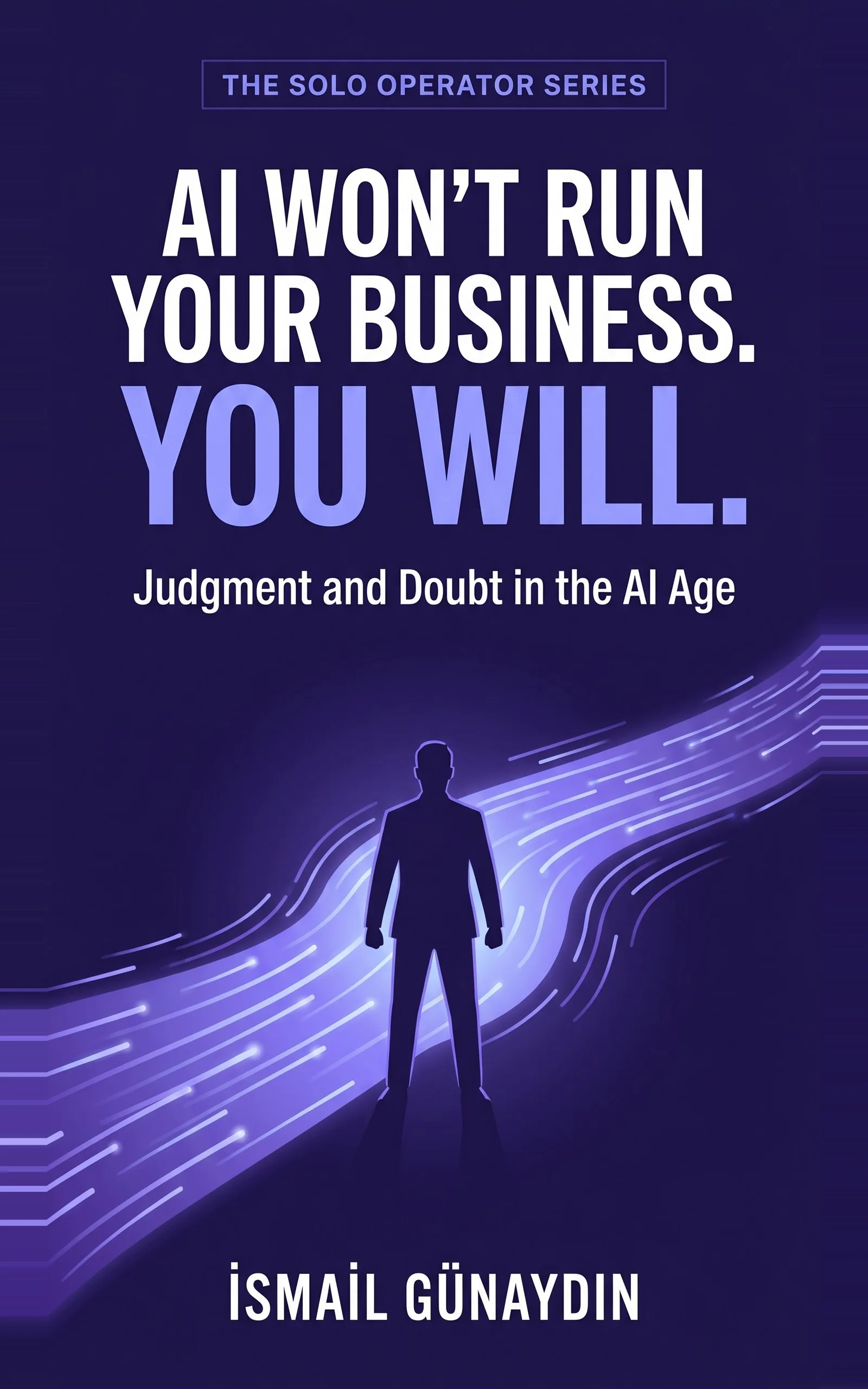
The book for this problem
AI Won't Run Your Business. You Will.
Judgment and Doubt in the AI Age. By İsmail Günaydın, 60 pages.
Where this problem is in the book:
- The Jagged Edge: Knowing When the Confident Machine Is Wrong
- The Person You Become: Don't Disappear Into the Tools
Links go to Amazon. I wrote this book and earn a royalty on every sale. Amazon sets the price and handles delivery and returns.
Your next hour, in five steps
- Do not start at the top. A full re-read feels safe. It catches very little, because a wrong AI sentence looks exactly like a right one.
- List the claims that would hurt. Prices. Figures. Dates. Rules. Anything about this client's own business.
- Flag any precise number the AI could not know. A confident percent about your client's customers is a warning sign. The AI did not have that data. It filled the gap.
- Check each flagged line against something that is not the AI. Your price sheet. The client's real numbers. The actual rule. Fix what is wrong. Cut what you cannot confirm.
- Ask one question before you hit send. Do I actually agree with this, or am I just tired and it sounds sure? If you cannot answer, read the main point again and form your own view.
That is it. Aimed checking beats thorough checking. Thorough, on a deadline, is mostly nerves.
Do you need an AI detector?
Many guides tell you to run the draft through an AI detector first. That answers a different question. A detector guesses whether a machine wrote the text. It does not tell you whether the text is true. A made-up price passes or fails the detector in exactly the same way as a real one.
So a detector only matters if the client or a platform has said it will check for AI writing. Even then, it comes after the fact check, not instead of it. The check that protects you is still the one in step 4: the claims that would hurt, against a source that is not the AI.
Does it say what you would say?
Facts are the first check. The second is whether the main point is yours. In the book, Jonah writes down what he will not do for money, and one line is that he will not let the machine's confident draft go out under his name as a verdict he has not formed.
So find the one sentence that tells the client what to do. Read it out loud. Would you say it across a table, to their face, and defend it if they pushed back? If yes, send it. If you hesitate, that hesitation is worth a few minutes. Rewrite that one sentence in your own words, even if the rest of the draft stays as it is.
Why your eyes slide off a clean AI draft
You spent years learning to read the wobble in people's work. A junior out of their depth writes "I think" and "maybe," and you lean in.
AI does not wobble. It writes a made-up number in the same voice as a true one. In a study of 758 consultants, people using AI on a task just past its range were about 19% less likely to get it right than people working alone (Dell'Acqua et al., Organization Science). Nothing on the page warned them.
So the check has to point at facts, never at tone.
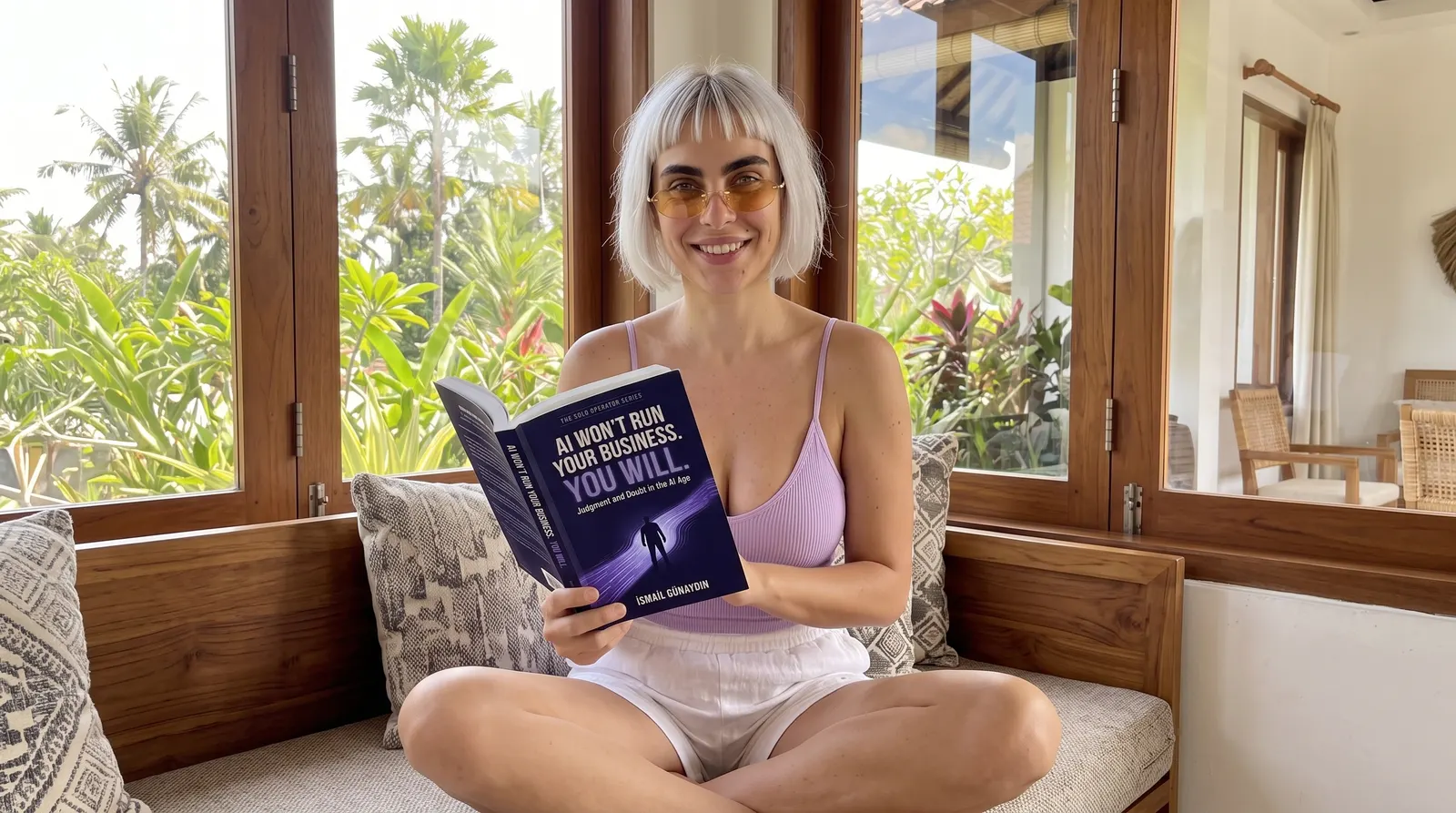
The draft you stopped checking months ago
Here is the honest part. You did not stop checking on purpose. The AI was right a hundred times, so you checked less. Then you checked never.
In the book, Jonah drifted the same way, from editing the AI's work to just forwarding it. Then a recommendation went out under his name that was wrong, plainly and confidently, and it took the client three weeks and real money to find out.
A 2025 study of 666 people linked heavy AI use with weaker critical thinking (Gerlich, Societies). It is a link, not proof of cause. But it fits what you may feel: the instinct that used to say "this is off" has gone quiet. The fix is using it again. I trust AI with a great deal of my work. I do not trust it with the last look.
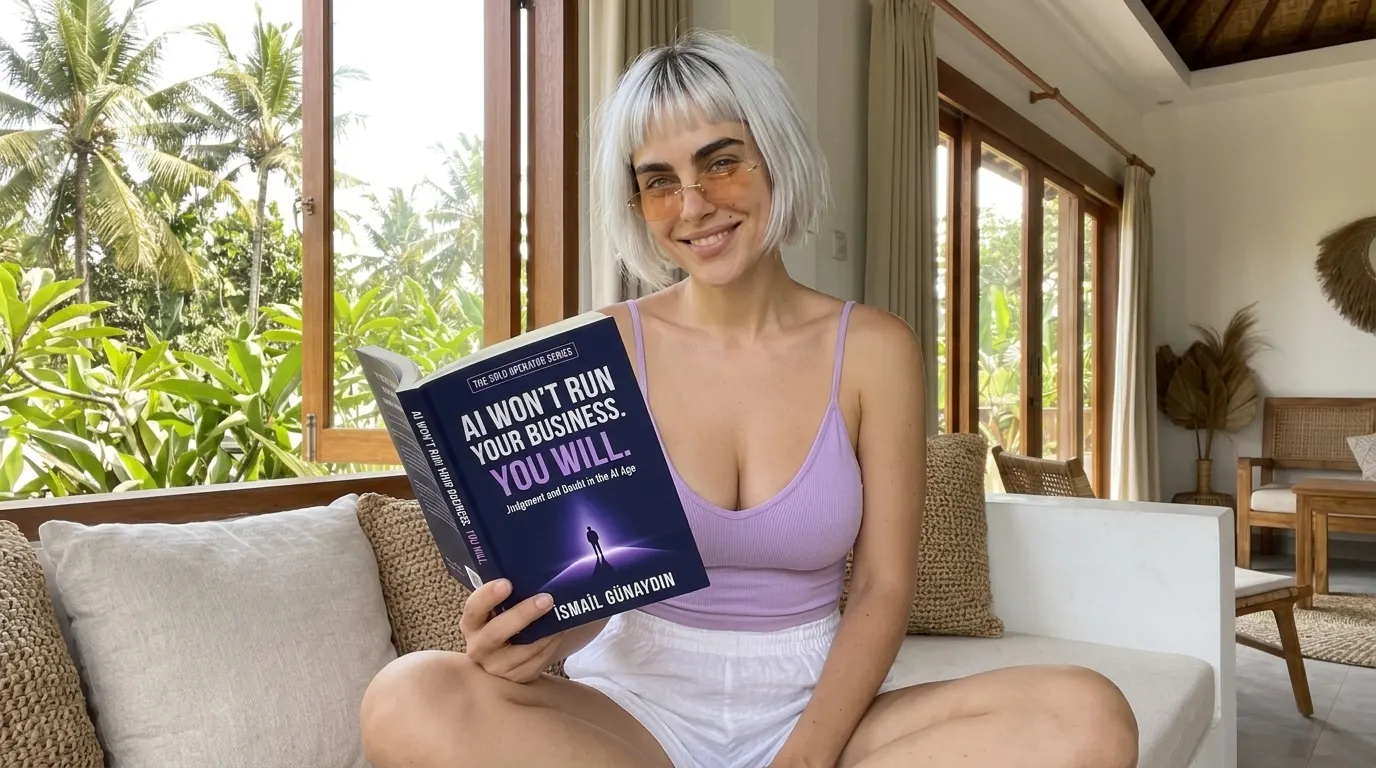
Where the book takes this further
This is the problem AI Won't Run Your Business. You Will. was written for.
The Jagged Edge: Knowing When the Confident Machine Is Wrong explains why AI is great inside its range and wrong just outside it, and why checking everything is the same as checking nothing. It gives you the Judgment Gate, four lines to fill before an important answer goes out.
The Person You Become: Don't Disappear Into the Tools is about the one question in step 5, and why approving without judging is not really oversight. Its Agency Audit shows where you have gone from deciding to only approving.
The free Judgment Workbook has the Judgment Gate ready to print. Keep one next to your keyboard. If something already went out wrong, see what to do when a wrong AI answer reached a client.
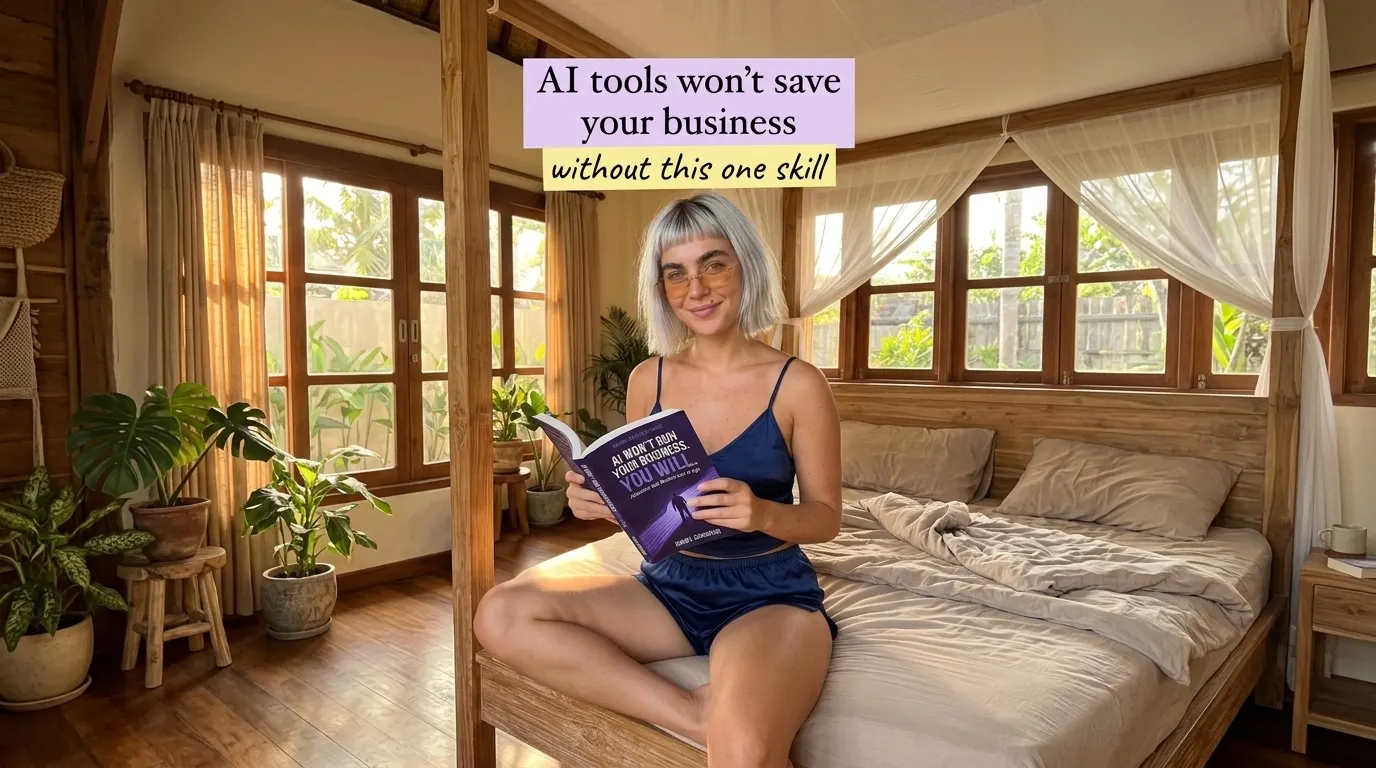
Is AI Won't Run Your Business. You Will. the right book for you?
Yes, if
- You have a deadline and an AI draft you have not really checked
- You used to check AI work closely and have slowly stopped
- You want a quick routine, not a long review process
Skip it if
- You need formal fact-checking for legal or medical documents
- You want a tool that checks AI writing for you
Fair doubts before you buy
I only have an hour. Why are you talking about a book?
Do the steps on this page first. They take less than an hour. The book is for after the deadline, when you want this check to become a habit instead of a panic.
Can't I just paste the draft back into ChatGPT and ask it to fact-check?
It can help you spot things to look at. But the book's rule is that the check has to come from a source that is not the AI. A tool checking its own work shares its own blind spots.
Get AI Won't Run Your Business. You Will.
AI is right often enough that you stop checking; five human jobs keep your hand on the wheel when it is confidently wrong.
Links go to Amazon. I wrote this book and earn a royalty on every sale. Amazon sets the price and handles delivery and returns.
Part of The Solo Operator Series, five short books that can be read in any order.
Questions people ask about this
- How do you fact-check AI-generated content quickly?
- Pick out the claims that would cost you if wrong, such as prices, figures, dates and rules. Check each one against a source outside the AI. Skip the full re-read. Aimed checking catches more than thorough checking, because a confident error reads as clean as the truth.
- What mistakes does AI make most in business documents?
- The book points to invented details where the AI fills a gap: a made-up statistic when you ask for a fact, an invented clause when a contract is unusual, or a precise number about your client's data that it never had. They arrive in the same confident tone as the true parts.
- Is it OK to send AI-written work to clients?
- The book does not say no. It says the client hired your judgment, so the work has to be something you have weighed, not just approved. Before you send, ask yourself whether you actually agree with it or are just tired and it sounds sure.
- Why can't I spot errors when I proofread AI writing?
- Because AI writing has no wobble. A person out of their depth hedges and you notice. AI states a wrong fact in the same calm voice as a right one. Your attention slides off a smooth page, so you need to aim your check at specific facts.
- How do I stop sending AI work I have not checked?
- Make it a fixed step: before anything goes out under your name, ask one honest question, do I agree? If you cannot answer, it does not go yet. The book's character put it this way: he would rather send slower than send absent.
- Should I tell my client I used AI to write the work?
- The book does not set a rule on this, and the right answer depends on your contract and your client. Check your agreement first, since some clients limit AI use or where their data can go. If you are not sure, ask. What the book is firm on is the part that matters either way: the work under your name has to be something you have checked and agree with.
Related problems
- AI gave a confidently wrong answer and it went to a client. Here is what to do now.
You sent a client something AI wrote and it was wrong. Own it today, fix the facts against a real source, and stop it from happening again.
- When to overrule AI: the signs its confident answer is wrong for your business
AI sounds just as sure when it is wrong. Here are the signs it has gone past what it knows, and exactly what to do with each one before you act.
- What not to hand to AI in your business, and what you can give it freely
Give AI the drafting, research and options. Keep the choice, the doubt and the why. A plain split of what stays yours, with the reasons.
- Everything inside AI Won't Run Your Business. You Will.
Every chapter, who the book is for, and every problem it helps with.