Last updated
Should a small business sound bigger, or say it's just you?

| Signal | Sounding bigger | Showing the real you |
|---|---|---|
| Who is speaking | 'We' and 'our team' on the site | 'I', with your first and last name on the product, the site and every email |
| Photo | A logo or a stock photo | A plain photo of you where you actually work |
| Replies | Signed 'the support team' | Signed by you: you're writing to the person who makes this |
| Promises | 'Quality you can trust', which means nothing | A specific claim you stake your name on, like tasting every batch before it ships |
| When something goes wrong | Quiet swap, say nothing, hope no one notices | Name it, say what you are doing, give a date, then keep the promise |
| Showing the work | A polished brand video | The real bench, shot rough on a phone, including the batch that failed |
| Over time | One warm moment in a campaign | The same reachable person on ordinary weeks |
How to read this comparison
Each row is a choice you make somewhere in your business. The middle column is what most solo owners do, because it feels professional. The right column is what the book asks you to do instead.
Notice that nothing in the right column is invented. It is all stuff that is already true about you. The work of this page is not to make you more authentic. It is to stop hiding what you already are.
Here is why it matters. A big company cannot fill in the right column, even with all its money. Every public sentence it writes passes through a brand team, a legal review and a committee. By the end, every specific, personal edge is filed off, because a specific claim is a risk. What is left is safe and empty. When you copy that voice, you copy its trust score too.
The trust gap is big. In Gallup's confidence survey, about 70% of Americans in 2025 trusted small business a great deal or quite a lot. Big business got about 15%. Writing "our team" moves you toward the second number.
The one rule that keeps this honest
There is a line here, and it cuts both ways. Do not fake the corporate look. Also do not fake the personal one. Staged "candid" photos, scripted vulnerability, a founder story polished past the truth. Customers smell those faster than they smell a logo.
The test is simple. Would this still be true if a customer drove to where you work and watched you for a day? If yes, show it louder. If no, you are building a stage set, and it will fall down the first time someone pulls on it.
And never invent reviews, testimonials or team members. That is the one move that turns your biggest strength into your biggest risk.
What if you work with freelancers, or plan to hire?
This question comes up again and again in owner forums, and it is a fair one. Some solo owners bring in a designer, a subcontractor or a part-time helper for bigger jobs. Is "we" honest then?
Use the book's test. Would it still be true if a customer watched you work for a day? If a real person helps on the job, saying so is true. What fails the test is a "we" that hints at an office and a team that are not there.
A few ways to keep it true:
- Say "I" for what you do, and name the help. "I design the site. A developer I have worked with for years builds the shop part." The customer knows who does what.
- Keep your name on the front. Even with helpers, the customer should know who stands behind the work and who answers when they write.
- Don't write for a future team. If you hire later, change the words then. A page written for a team you do not have yet is the "sounding bigger" column in the table above.
- Pick one voice and keep it. Mixing "I" on the About page with "our team" in the emails reads as confusion, not size.
The email that said "is the Ethiopian still the lighter one?"
In my book, a coffee roaster named Mara gets a reply to a shipping email. A new subscriber asks if the Ethiopian is still the lighter roast, because his wife can no longer drink dark roasts. He writes to Mara by first name, because her name is on the bag and the card in every box.
She answers in four lines. She mentions it's the one she drinks herself in the morning. He upgrades to the larger bag that afternoon.
Later, a small special lot sells out faster than she planned, and some subscribers get less than promised. She could quietly swap in another coffee. Instead she writes everyone herself: she got the demand wrong, here is the refund, here is when the next lot lands. Several people write back to thank her for the honesty. When the next lot arrives, she puts the people who missed out first in line.
A big brand could not have received that first email. It could not have sent the second one either.
Why AI makes the real voice easier to keep
Showing the real person takes time. You answer every message. You write the notes yourself. That is where owners give up and slide back to a template.
AI can carry the drafting without carrying your voice away. On writing tasks, it cut time by about 40% and raised quality by about 18% (Science, 2023). Use it for the routine first drafts. Keep the reply to the upset customer, the odd question and the apology for yourself. Those are the moments a customer chose you for.
The trust chapter, and the one after it
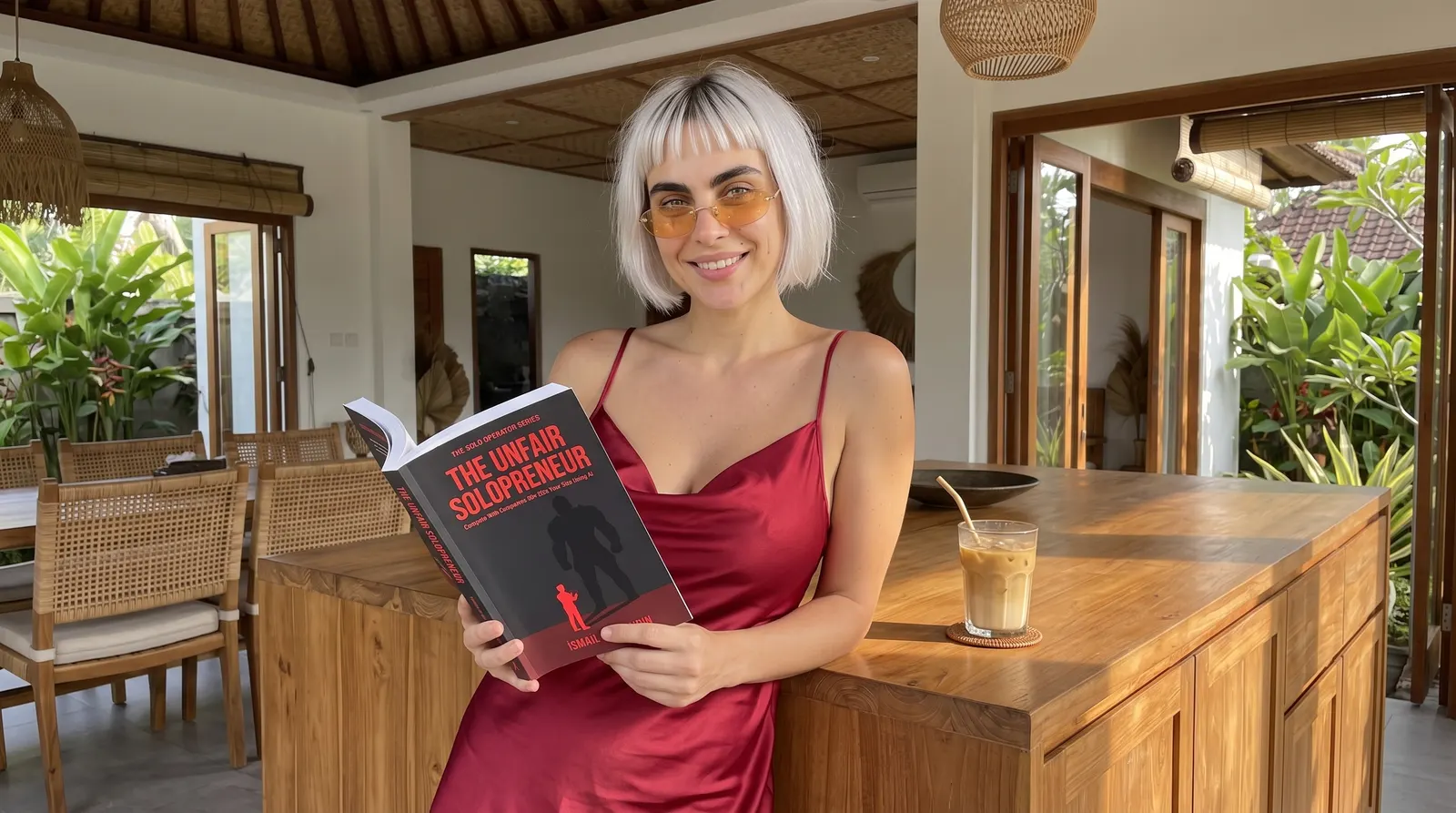
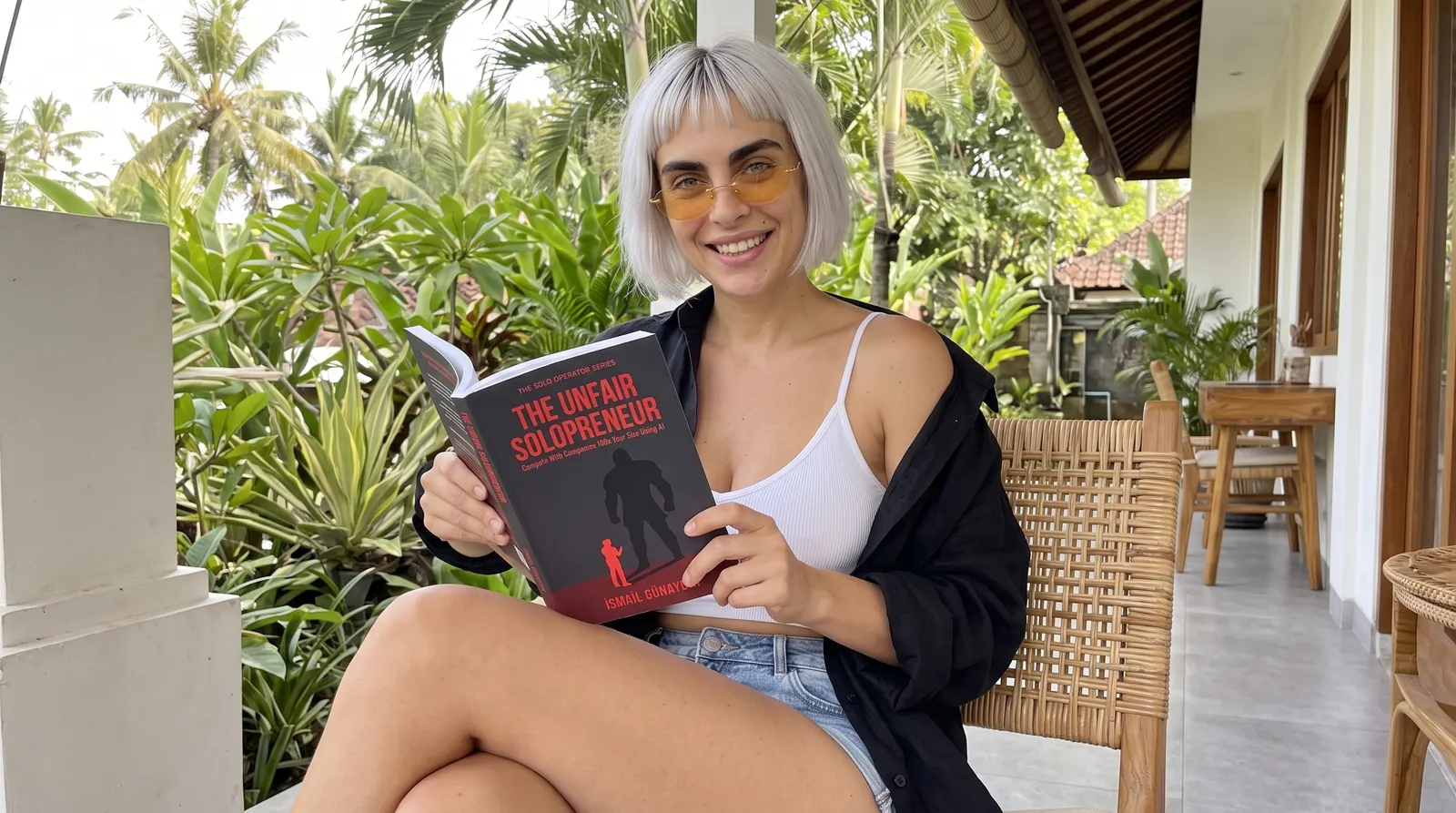
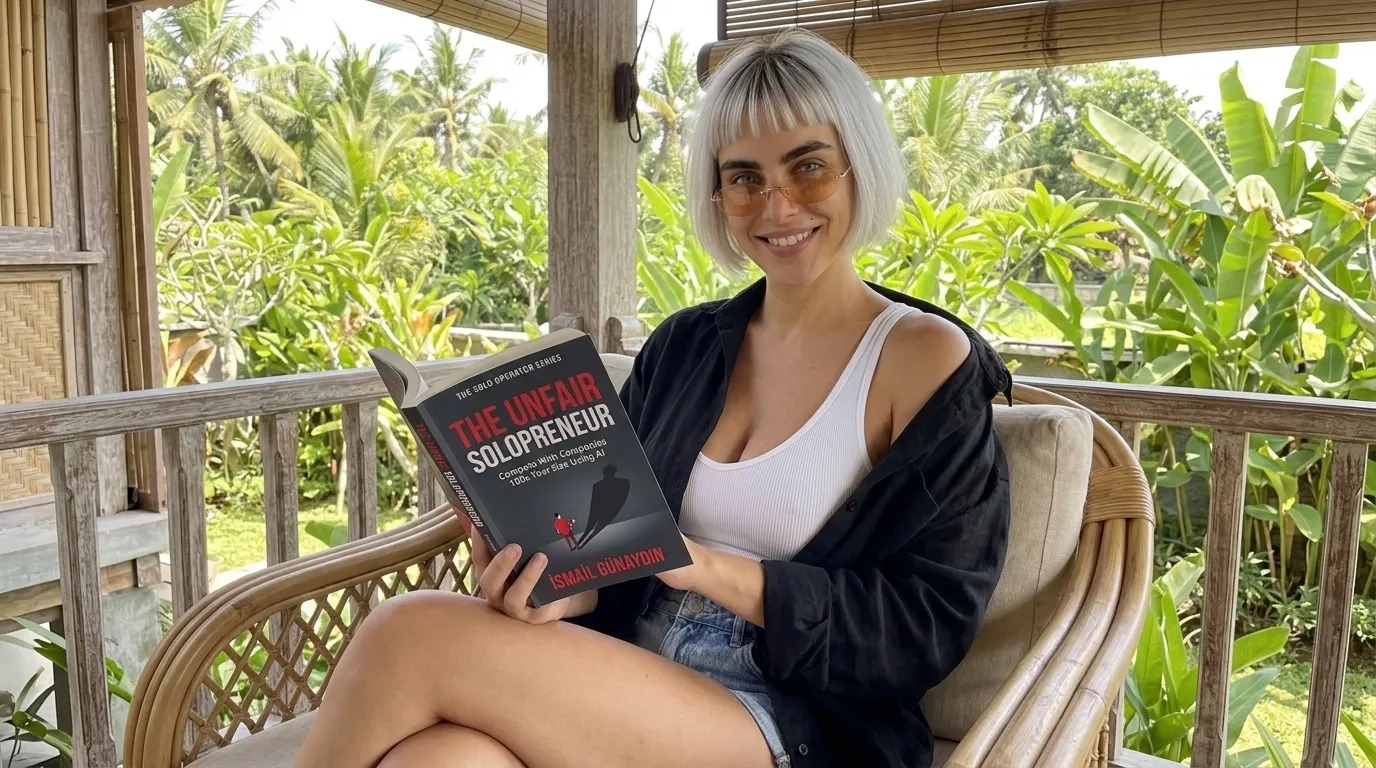
This is the problem The Unfair Solopreneur was written for.
Trust: You're a Person, They're a Logo gives you the Trust Edge Checklist. You go through your business signal by signal, mark whether each one is visible or buried, and write why a giant cannot match it. It also covers the four ways owners waste this edge, from hiding behind "we" to treating honesty as a one-time campaign. Intimacy: Know the Customers They Can Only Segment builds on it, so you keep knowing customers by name as your list grows.
The checklist is in the free workbook. For the bigger picture of where small beats big, see small business vs big company.
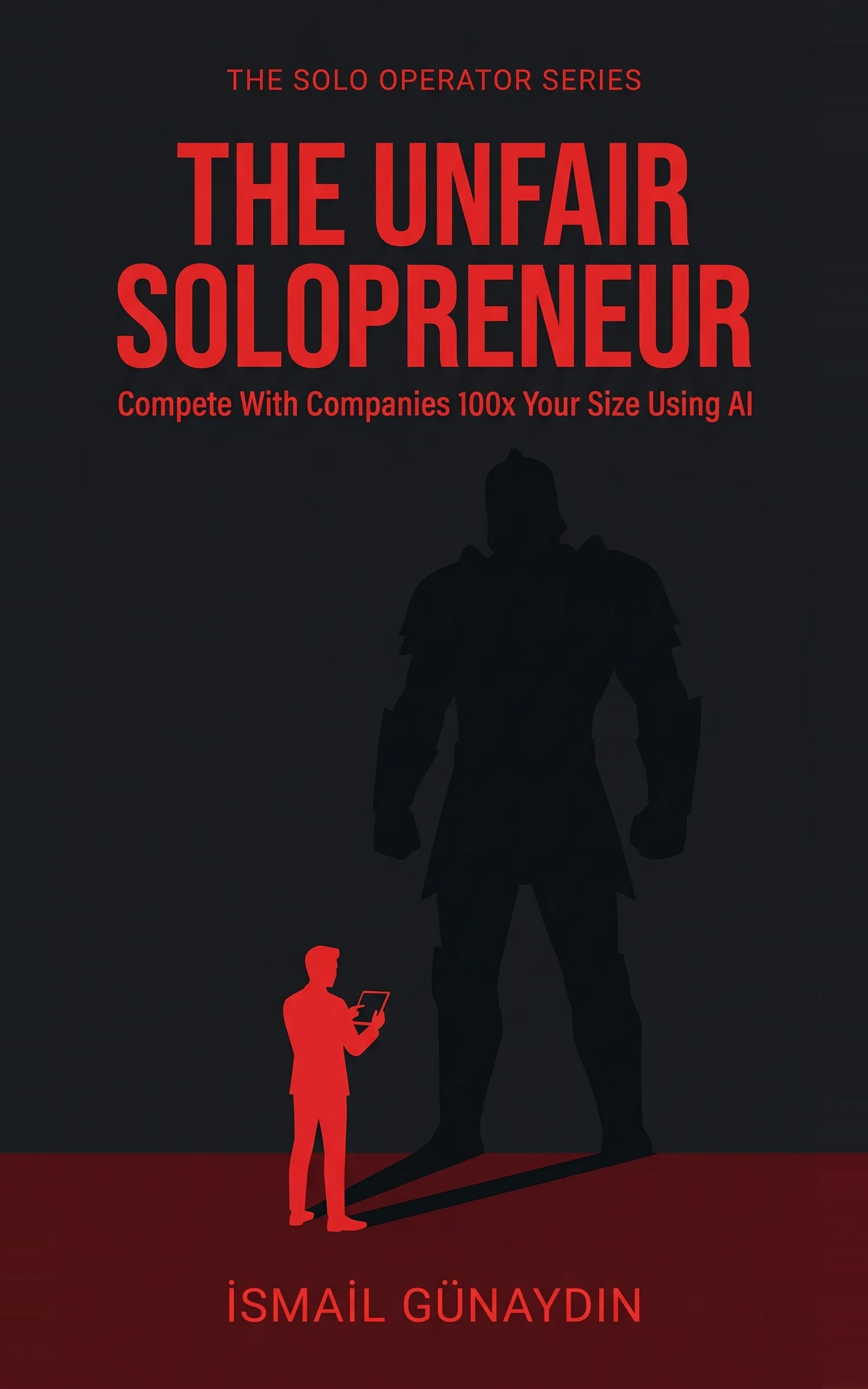
The book for this problem
The Unfair Solopreneur
Compete With Companies 100x Your Size Using AI. By İsmail Günaydın, 60 pages.
Where this problem is in the book:
- Trust: You're a Person, They're a Logo
- Intimacy: Know the Customers They Can Only Segment
Links go to Amazon. I wrote this book and earn a royalty on every sale. Amazon sets the price and handles delivery and returns.
Is The Unfair Solopreneur the right book for you?
Yes, if
- Your website says 'we' and the team is you
- You use a stock photo or a logo where your face could be
- You worry clients will not take a one-person business seriously
Skip it if
- You want to invent a team or reviews to look established
- You run a real team and want branding advice for it
Fair doubts before you buy
Won't a big client see 'just me' and walk away?
Some might. The book's point is that most customers read the corporate voice as distance, not safety. A real name, a real face and an answer from the person who made the thing are things a big firm cannot match. Hiding them trades your strongest edge for a weaker copy of theirs.
Isn't this the same 'be authentic' advice I see everywhere?
It is stricter. The book warns against faking authenticity as hard as it warns against the corporate voice: no staged candid photos, no polished founder story, no invented team. You do not manufacture a person. You stop hiding the real one.
Get The Unfair Solopreneur
Small is not the underdog: speed, trust, focus, closeness to customers and AI are edges a big company cannot copy without stopping being big.
Links go to Amazon. I wrote this book and earn a royalty on every sale. Amazon sets the price and handles delivery and returns.
Part of The Solo Operator Series, five short books that can be read in any order.
Questions people ask about this
- Should a one-person business use 'we' or 'I'?
- The book says 'I'. Writing 'we' and 'our team' when it is just you trades the voice customers trust most for the one they trust least. It feels small and exposed to write 'I', and that exposure is the asset, because no big company has one person whose name belongs on everything.
- Do customers trust small businesses more than big companies?
- Yes. In Gallup's 2025 confidence survey, about 70% of Americans had a great deal or quite a lot of confidence in small business. Big business sat near the bottom at about 15%.
- How do I make my small business look more trustworthy?
- Show what is already true. Your real name on the product, the site and the reply line. A plain photo of you where you work. Replies signed by you. The real work, shown rough. And honesty about mistakes, with what you are doing about them. Then keep doing it on ordinary weeks.
- Should I tell customers when I make a mistake?
- Yes, plainly and quickly. Say what happened in one or two sentences, what you are doing about it with a real date, then stop. In the book, a roaster emails every subscriber when a coffee sells out early, refunds the difference and later puts those subscribers first in line for the next lot.
- Is it okay to use stock photos for my small business team page?
- Not for people. A team page of people who do not exist is a fake trust signal, and the book treats that as the one line not to cross. A discovered fake destroys the exact trust that makes being small worth anything. A plain phone photo of the real you works better.
- Is it dishonest to say 'we' if I use freelancers?
- Not if real people help on the work. The book's test is whether the words would still be true if a customer watched you work for a day. Say 'I' for what you do yourself and name the help plainly. What fails the test is a 'we' that suggests a team and an office that do not exist.
Related problems
- You keep losing clients to bigger companies. Is it really their budget?
If bigger firms keep winning your clients, you may be fighting on their ground. See where size wins, where it loses, and how to move the fight.
- Small business vs big company: who has the advantage, and where?
A side-by-side look at where a big company wins, where a small business wins, and why each edge comes from size itself.
- You just lost a client to a bigger agency. Here is what to do this week.
You lost the deal to a firm with a full team. Find the output that beat you, rebuild one piece with AI this week, and keep the part that is yours.
- Everything inside The Unfair Solopreneur
Every chapter, who the book is for, and every problem it helps with.